




Introduction
The war film genre has seen many iterations over the years, with each new release attempting to capture the harrowing nature of battle and the toll it takes on soldiers. Yet, very few manage to strike the balance of intensity and introspection as well as Canadian Sniper (2024) does. Directed by Luke Sparke, this Canadian military drama offers a deeply personal and unsettling look into the life of a sniper returning to the battlefield for one final mission. The film’s authenticity, paired with raw performances and breathtaking visuals, sets it apart from its peers.

The Plot: A Soldier’s Struggle Between Duty and Humanity
At its core, Canadian Sniper is not just about military action—it’s a psychological exploration of a soldier torn between loyalty and the undeniable cost of war. Devon Sawa plays the lead role of a sniper who returns to the frozen wilderness of the Canadian border, a location that serves as both the physical and emotional backdrop for his internal battle. The film expertly explores the conflict between the soldier’s duty to his comrades and the sacrifices that tear at his humanity.

The Psychological Toll
The psychological weight of war is portrayed with startling clarity in this film. The viewer is not just shown the physical toll of battle, but also the mental anguish that comes with it. Sawa’s portrayal of a man grappling with PTSD, self-doubt, and the scars of a previous mission is both haunting and poignant. As he confronts his demons, the tension builds in a way that feels organic, pulling the audience into the soldier’s emotional journey.

Direction and Cinematography
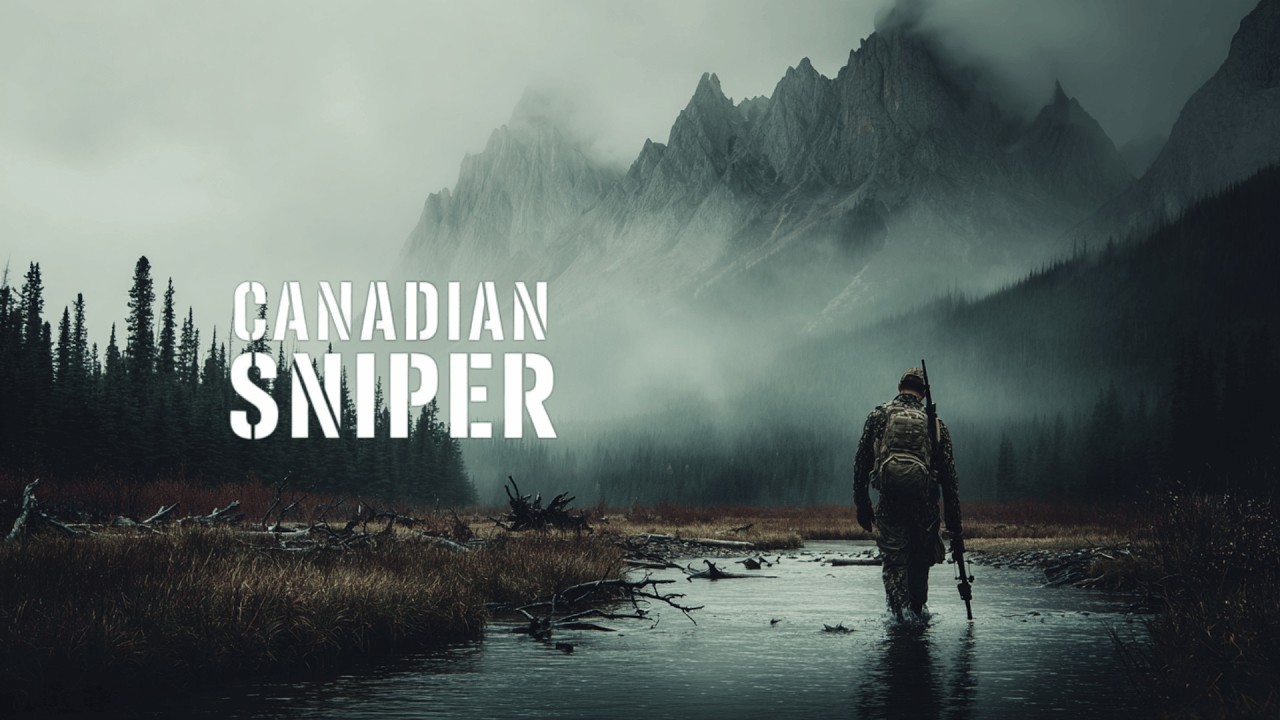
Luke Sparke’s direction of Canadian Sniper is masterful, with each scene feeling meticulously crafted to reflect the stark, unforgiving environment of the Canadian wilderness. The cinematography is sharp and precise, with cold, gray tones reflecting the bleakness of the sniper’s inner turmoil. The wilderness serves as a character in itself, mirroring the isolation and mental strain of the protagonist. The use of wide shots and intense close-ups in critical moments enhances the raw emotional energy of the film.
Action and Authenticity
While the film is heavy on psychological depth, it also delivers some of the most gripping action sequences seen in recent military dramas. The sniper sequences are taut, calculated, and impactful, making each shot fired feel consequential. The action never feels gratuitous, and each sequence serves to enhance the narrative rather than overshadow it. The authenticity of the military tactics, equipment, and settings further immerses the viewer into the experience.
The Cast: Devon Sawa’s Powerful Performance
Devon Sawa’s portrayal of the sniper is the emotional anchor of the film. His performance is raw and introspective, perfectly capturing the fragility of a soldier pushed to the edge. Sawa’s nuanced approach allows the character’s internal conflict to shine through in every scene, making his journey both heartbreaking and relatable. While Chris Hemsworth and Scarlett Johansson offer strong supporting roles, it is Sawa’s character-driven performance that truly holds the narrative together.
Conclusion: A Cinematic Triumph
With its compelling narrative, outstanding performances, and haunting cinematography, Canadian Sniper stands as a bold entry in the war drama genre. It doesn’t merely showcase the brutality of war, but delves into the psychological impact of violence and the true cost of duty. Fans of intense, thought-provoking cinema will find much to appreciate in this beautifully crafted film. The movie leaves you questioning the fine line between loyalty and sacrifice, making it an experience that lingers long after the credits roll.
Rating
Canadian Sniper earns a well-deserved 4 out of 5 stars. Its intricate character study and breathtaking action sequences make it a must-watch for those who seek more than just war films—they seek stories that explore the human condition beneath the uniform.