




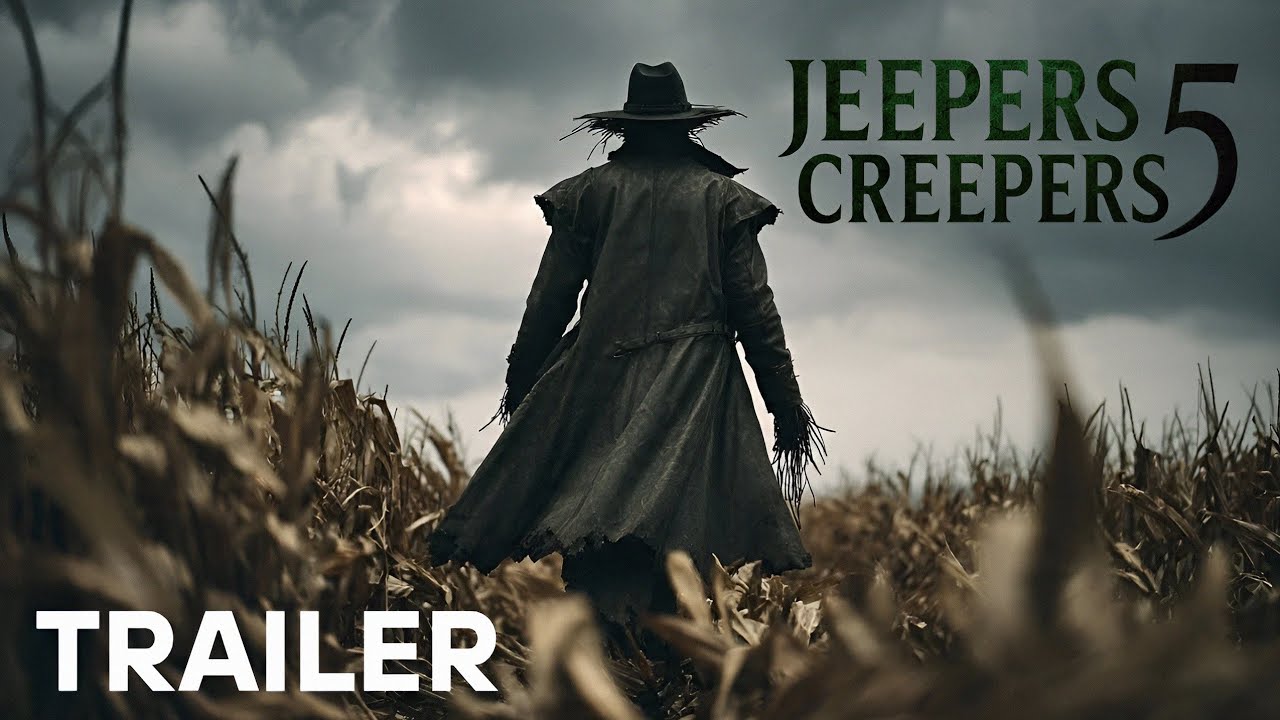
A Return to the Long Road Back
After years of misfires and false starts, Jeepers Creepers 5 arrives with a rare and welcome confidence. It understands that the franchise’s true horror was never just the winged silhouette or the ritualistic violence, but the idea that evil remembers. It catalogs. It waits. Set twenty-three years after the last feeding, this fifth entry reframes the Creeper not as a jump-scare machine, but as a keeper of ledgers, a creature whose appetite is fueled by lineage and unresolved bargains.
That thematic pivot gives the film an identity it has lacked for years. Rather than apologizing for its past, the movie confronts it, and in doing so, finds something eerily contemporary.
Story and Structure
The plot follows Lena Cruz (Jenna Ortega), a reclusive true-crime podcaster who returns to the rural highway where her parents vanished decades earlier. Her goal is part investigation, part exorcism. She wants proof that the Creeper was never an urban legend, and perhaps absolution for having survived it. Along for the journey is her cousin Iris (Anya Taylor-Joy), a trauma therapist whose skepticism is grounded not in arrogance, but in clinical empathy.
When a freak storm strands them in a dying farm town built over old church ruins, the film patiently begins its work. Roadkill disappears. Scarecrows seem to migrate. Rusted trucks idle with no drivers. The townspeople share matching scars and a shared refusal to venture out after dark. The details are small, but cumulative, and the movie trusts the audience to notice.
The inciting disaster comes when Lena’s live podcast stream accidentally broadcasts the Creeper’s hunting call, awakening something ancient in the surrounding cornfields. What follows is less a sprint than a tightening vise, as the cousins uncover the town’s long-standing pact with the creature.
Performances That Carry the Weight
Jenna Ortega continues her quiet domination of modern horror by leaning into restraint. Lena is not fearless; she is focused. Ortega plays her as someone who has rehearsed this confrontation for years, only to discover that preparation offers no immunity. Her performance is internal, watchful, and deeply sad.
Anya Taylor-Joy, as Iris, provides a fascinating counterpoint. Where Lena believes in monsters, Iris believes in patterns of human behavior. Taylor-Joy gives Iris a brittle intelligence, a woman who understands trauma academically but has avoided confronting it personally. The tension between belief and disbelief is never played for cheap irony; instead, it becomes the film’s emotional spine.
Together, Ortega and Taylor-Joy create a relationship that feels lived-in and complicated, elevating the material beyond genre mechanics.
Atmosphere Over Excess
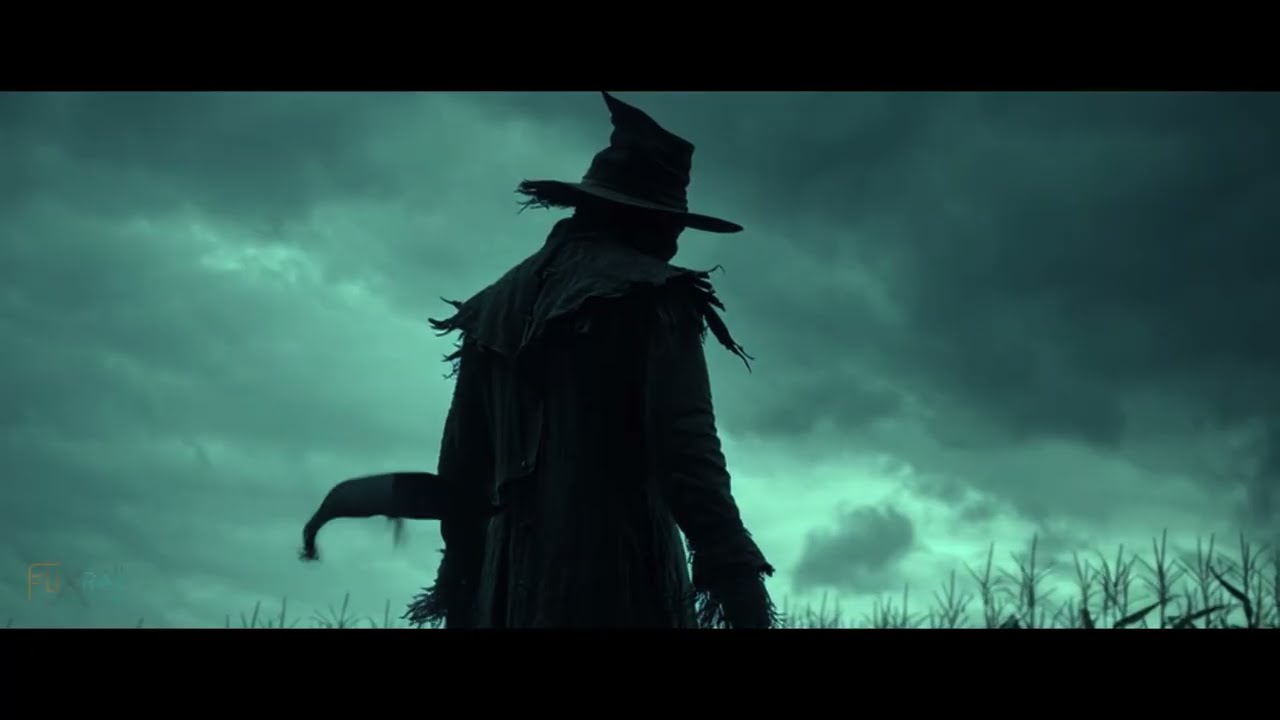
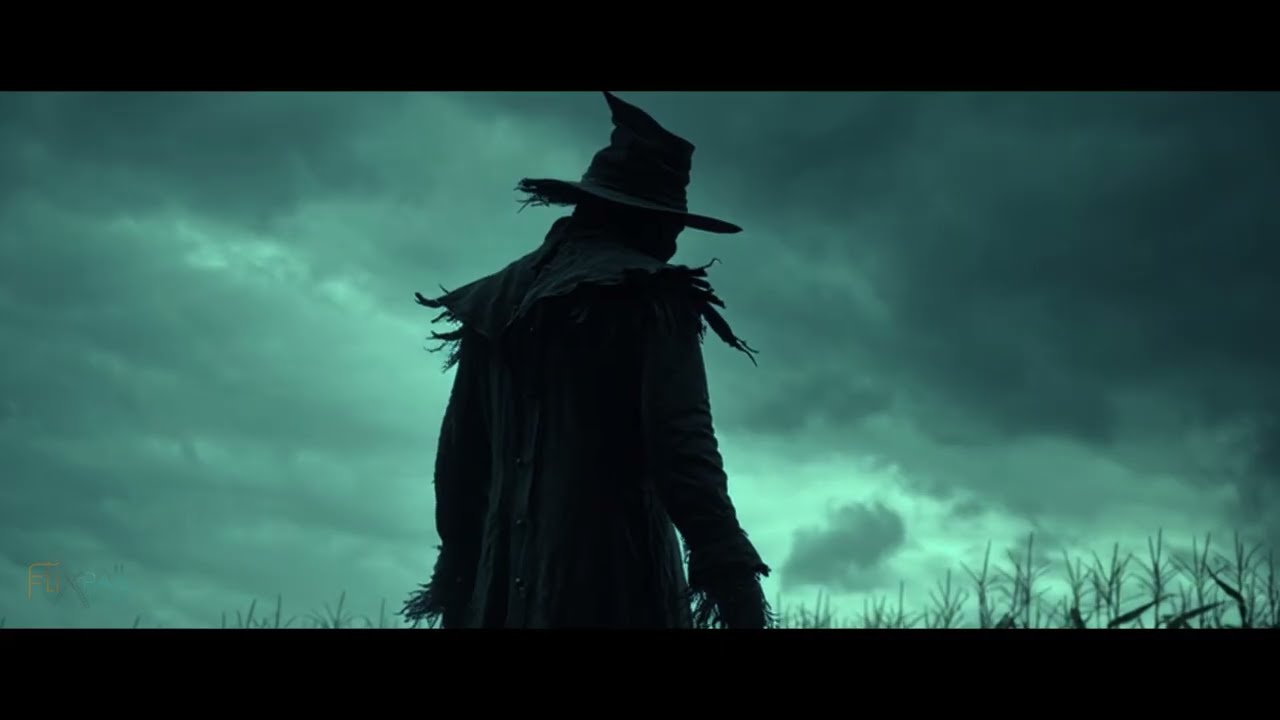
Visually, Jeepers Creepers 5 favors atmosphere over spectacle. The rural landscapes are shot with a sense of rot rather than nostalgia. Cornfields feel claustrophobic. Churches feel unfinished. The storm that traps the characters is not just weather, but a metaphorical ceiling lowering on the town.
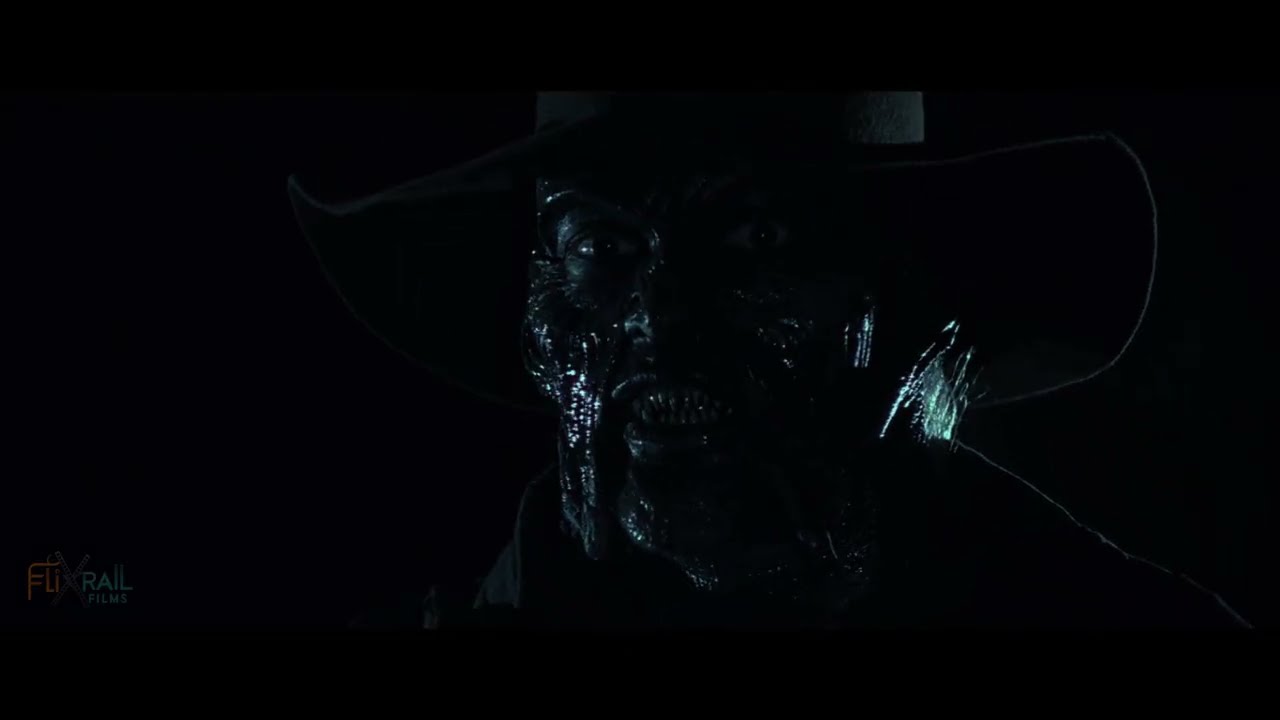
The Creeper itself is used sparingly, often suggested through sound design and negative space. When it does appear, the effect is stronger for having been delayed. The creature feels less like a slasher villain and more like a force of ecological imbalance, something the land itself is ashamed to host.
Sound, Silence, and the Power of Listening
Sound design plays a crucial role in the film’s success. The recurring idea that the Creeper hunts through calls and echoes dovetails perfectly with Lena’s profession as a podcaster. Listening becomes an act of danger. Silence becomes a form of resistance. The film understands that horror is often what we hear before we see, and sometimes what we hear after everything else has gone quiet.
The quoted line, “He doesn’t follow you home… he remembers where you live,” is not treated as a tagline, but as a thesis statement. Memory is the monster that never dies.
Themes Beneath the Blood
At its core, the film is about inheritance. Not just bloodlines, but the moral debts communities pass down to survive. The town’s pact with the Creeper is not born of ignorance, but of convenience. Evil persists not because it is powerful, but because it is useful.
This is where the movie finds unexpected resonance. In an era obsessed with true crime and historical reckoning, Jeepers Creepers 5 asks what happens when exposing the truth also reactivates it. Is documentation a form of justice, or just another summoning ritual?
Strengths and Shortcomings
- Strengths: Thoughtful performances, disciplined pacing, and a thematic focus that respects the audience.
- Atmosphere: Strong rural horror imagery and effective use of sound.
- Concept: A smart integration of modern media culture into the mythology.
- Weaknesses: The final act leans slightly toward exposition.
- Pacing: Some secondary characters feel underdeveloped.
Final Verdict
Jeepers Creepers 5 does not reinvent the franchise so much as remember what made it unsettling in the first place. By focusing on memory, lineage, and the cost of silence, the film transforms a familiar monster into something newly disturbing. It understands that horror works best when it feels personal, when it suggests that the past is not behind us, but waiting patiently in the fields.
This is a sequel that earns its existence, not through louder screams, but through quieter, more lasting ones.