




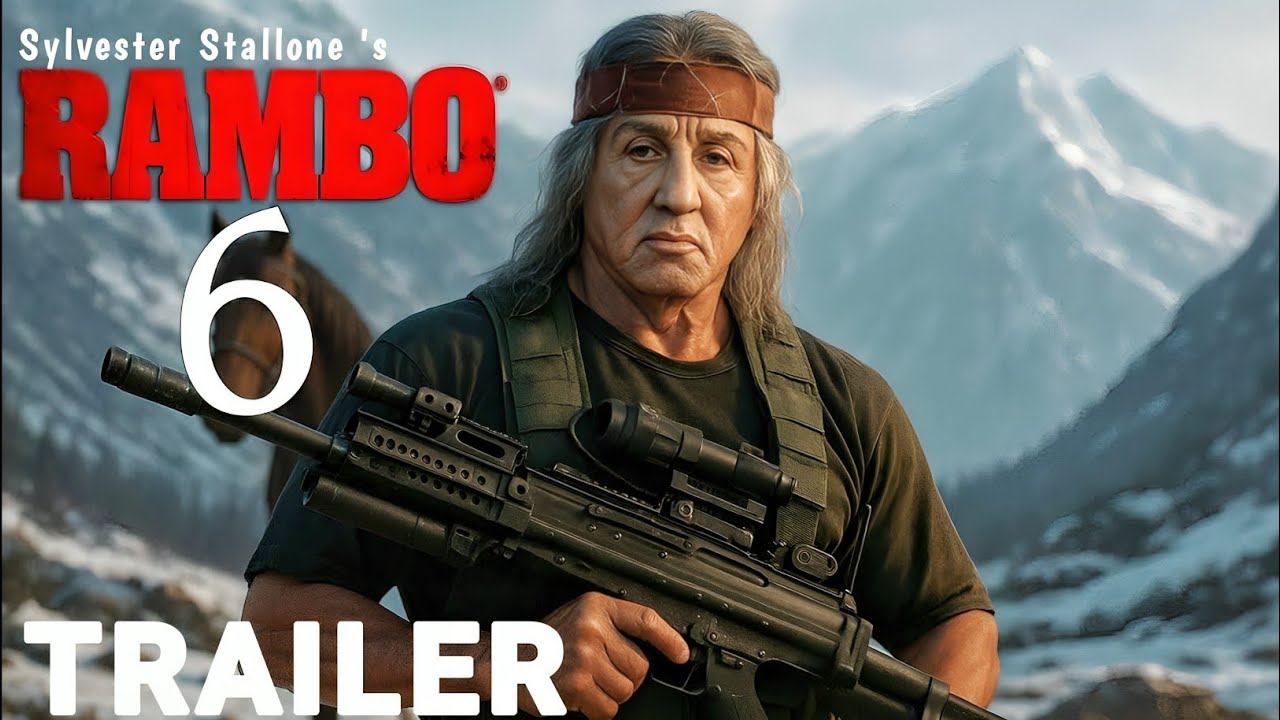
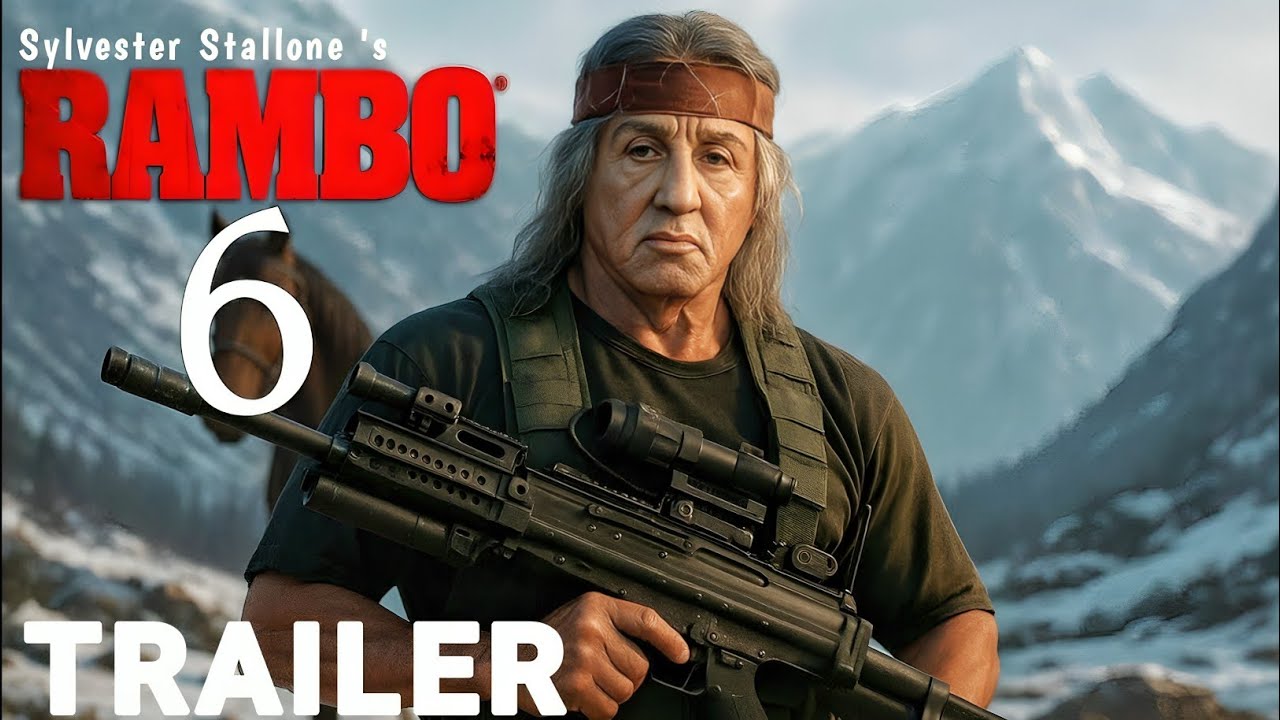
RAMBO: NEW BLOOD VII (2026) Review: A Legacy of War and Survival
In the relentless landscape of action movies, RAMBO: NEW BLOOD VII emerges as a brutal yet poignant chapter in the storied legacy of John Rambo. While the character’s journey has seen multiple twists and turns over the years, this latest installment marks a transition that is as much about the future as it is about the past. Directed by a new wave of filmmakers, this film reinvents the Rambo mythos while still honoring its raw, emotional core.

The Return of Rambo
In this sequel, Rambo (played once again by Sylvester Stallone) is drawn back into the heart of a conflict not for glory, but for survival. His world is rocked when a covert mercenary program, built using his own brutal tactics, is unleashed. Trained to perfection and equipped with stolen intelligence, these new soldiers are designed to erase the old guard—Rambo himself. What follows is an all-out war, not for a victory, but for the destruction of the very legend that Rambo created.

Rambo’s Legacy and the New Blood
At the heart of the story lies the tension between Rambo’s experience and the cold, calculated force of the new generation. The mercenaries—cold, efficient, and seemingly unstoppable—carry his legacy, but with a chilling detachment. As Rambo faces off against his mirror image, the film delves into the harsh reality of warfare and survival, where the only certainty is that victory comes at the cost of one’s humanity.

The movie’s title, NEW BLOOD, is not just a metaphor for a new generation of soldiers—it’s a harrowing reflection of Rambo’s ultimate confrontation. The film’s antagonist, a younger, fiercer killer trained in Rambo’s own image, brings an added level of terror to the proceedings. This battle is not one of armies but of ideologies: the necessity of violence versus the human toll it takes.
Emotional Depth in the Chaos
What sets RAMBO: NEW BLOOD VII apart from typical action fare is its exploration of Rambo’s psyche. Far from the invincible warrior he once was, this version of Rambo is broken and battered, but still driven by a need to protect. He’s no longer the weaponized soldier who fought for pride or duty; now, he’s fighting for his survival and the survival of a new generation caught in the crossfire.
The emotional weight of the film rests on Rambo’s relationship with the young fighters pulled into this chaos. These characters, eager to prove their worth, quickly learn that war is not about honor or courage but about survival at all costs. It’s a lesson that Rambo, as the last teacher and protector, has long since learned—and it’s a brutal one.
Final Thoughts: A Legacy Rewritten
As the film culminates in a terrifying showdown between Rambo and his successor, the true cost of warfare comes into sharp focus. RAMBO: NEW BLOOD VII is not just a film about guns and explosions—it’s a meditation on the legacy of violence, the emotional scars it leaves behind, and the cyclical nature of war itself. It challenges the notion of heroism and asks whether survival is truly a victory or merely a punishment.
In the end, Rambo’s battle is not just against the younger killer trained in his image, but against the very idea of being replaced. His fight is not for himself, but for those who have yet to learn the price of survival. And that, perhaps, is the most powerful lesson of all.