

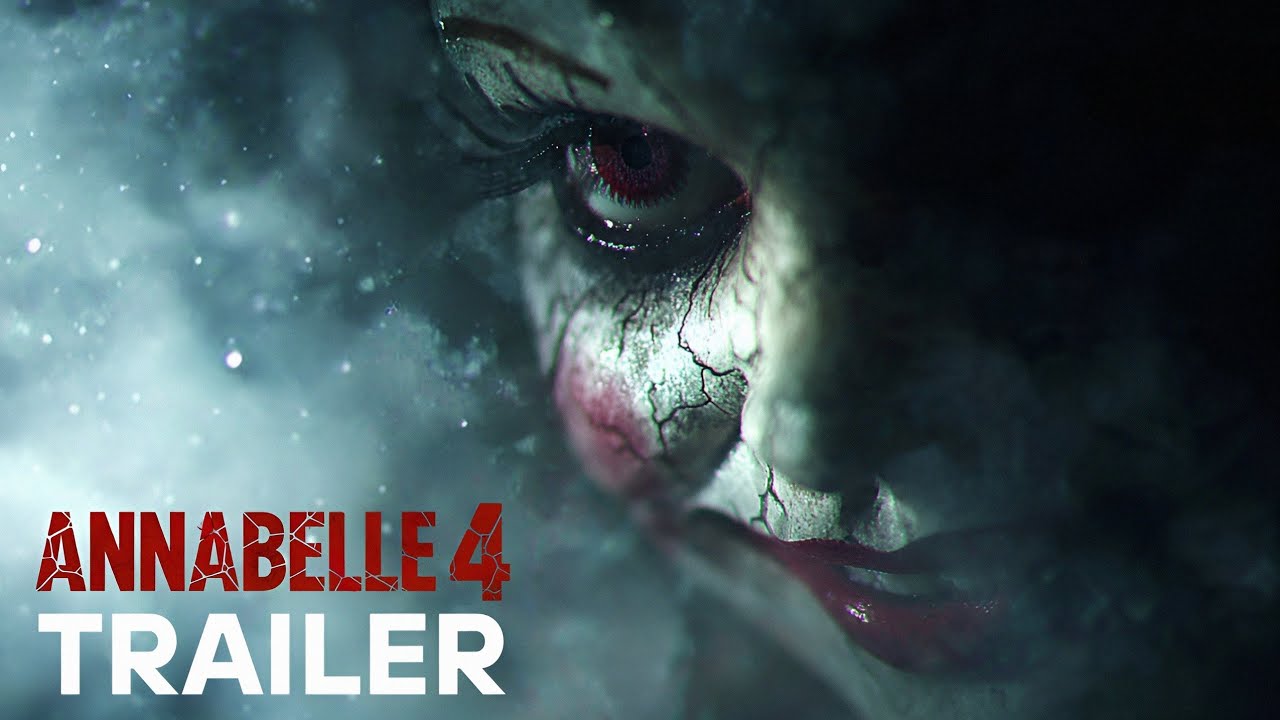
Annabelle 4: The Silent Gaze – A Gripping Dive into Psychological Horror
The latest installment in The Conjuring Universe offers a chilling departure from the franchise’s usual frenetic energy. Annabelle 4: The Silent Gaze trades in the conventional, jump-scare-filled tropes of horror for a suffocating sense of silence and suspense. This new chapter serves as a reminder that not all monsters need to move to be terrifying — some simply wait.

A Silent Terror
Directed by David F. Sandberg, Annabelle 4: The Silent Gaze focuses on a grieving family whose lives begin to unravel in the presence of the cursed doll, Annabelle. The film’s most disturbing feature is its deliberate pacing, which leans into the quiet, psychological unraveling of its characters. Gone are the overtly violent outbursts and loud, aggressive horror. Instead, the terror builds through subtle, almost imperceptible changes: flickering lights, fleeting shadows, the feeling of being watched. It is an eerie, unsettling atmosphere that never fully allows the viewer to relax.

The True Horror: Psychological Strain
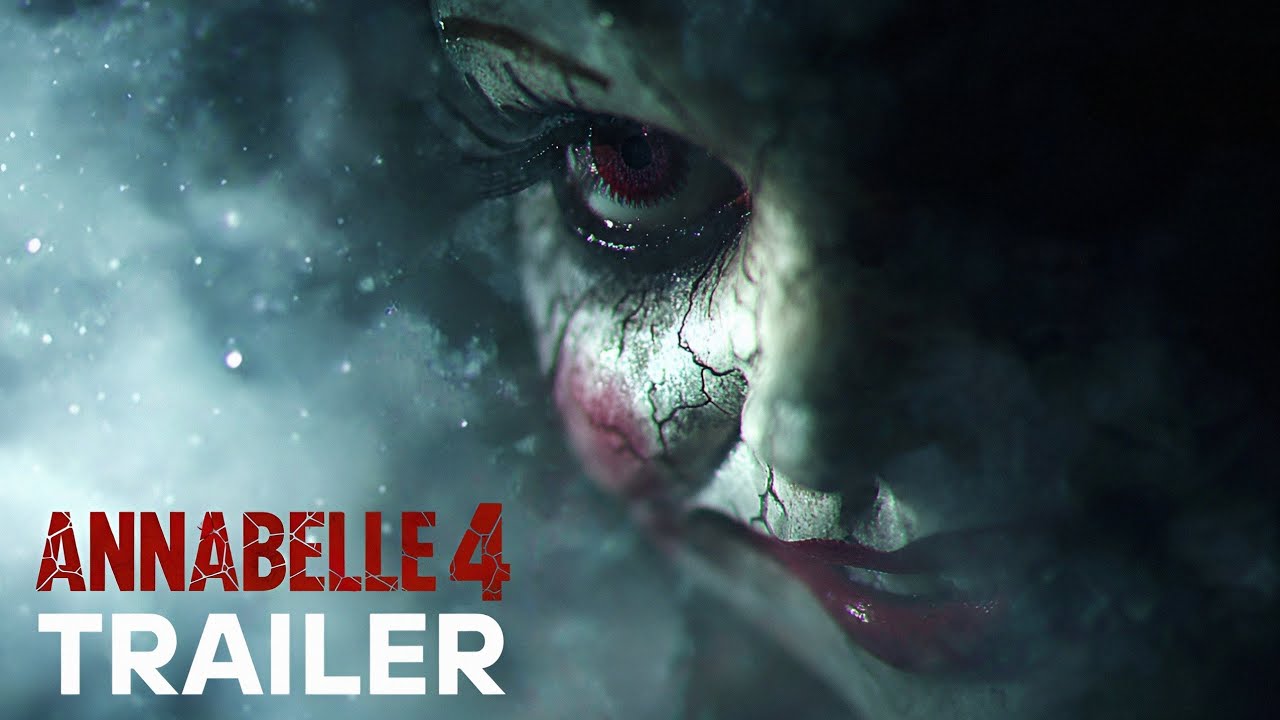
What makes this installment stand out is its focus on psychological horror. Rather than relying on loud sound effects and gruesome visuals, the film lingers on moments of quiet tension. The doll, unmoving and ever-watchful, becomes a symbol of the family’s internal fractures. The subtle, creeping fear — amplified by guilt, grief, and a diminishing faith — drives the narrative forward. The family members’ psychological decay, matched with Annabelle’s silent, ever-present gaze, creates a level of dread that resonates long after the credits roll.

Performances That Sink Under the Weight of Fear
The performances in Annabelle 4 are equally critical to its success. Each actor delivers a nuanced portrayal of individuals on the brink of collapse, their internal struggles made all the more palpable by the film’s atmospheric tension. There is no overt screaming or grandiose gestures here. Instead, the actors excel in their ability to convey the oppressive weight of fear with quiet desperation, enhancing the emotional and psychological impact of the horror.
The Erosion of Faith
Faith, in many ways, is the central theme of Annabelle 4: The Silent Gaze. As the family’s world starts to crumble, their spiritual beliefs are put to the test. The film examines how the gradual erosion of faith can leave an individual — or in this case, an entire family — vulnerable to the darker forces that seek to take hold. The film’s slow burn builds to a suffocating climax that leaves us questioning: is the terror real, or is it a manifestation of the characters’ own minds?
A Frighteningly Slow Burn
Annabelle 4 strips horror down to its rawest form. There are no rushing footsteps or sudden, violent confrontations. Instead, we are left with a sense of dread that lingers in every quiet corner. As the family faces not only external threats but their own internal demons, the film serves as a chilling test of belief under pressure.
Conclusion: The Silent Gaze’s Unrelenting Terror
What makes Annabelle 4: The Silent Gaze so effective is its ability to make even silence terrifying. The doll, once a symbol of unrelenting evil, now becomes an anchor for the psychological horror that quietly unravels the family. The film proves that the most terrifying evil doesn’t need to chase you. It simply waits. Annabelle 4: The Silent Gaze is a masterful exploration of how fear can take root in the silence, and once it does, it’s impossible to escape.