




Introduction
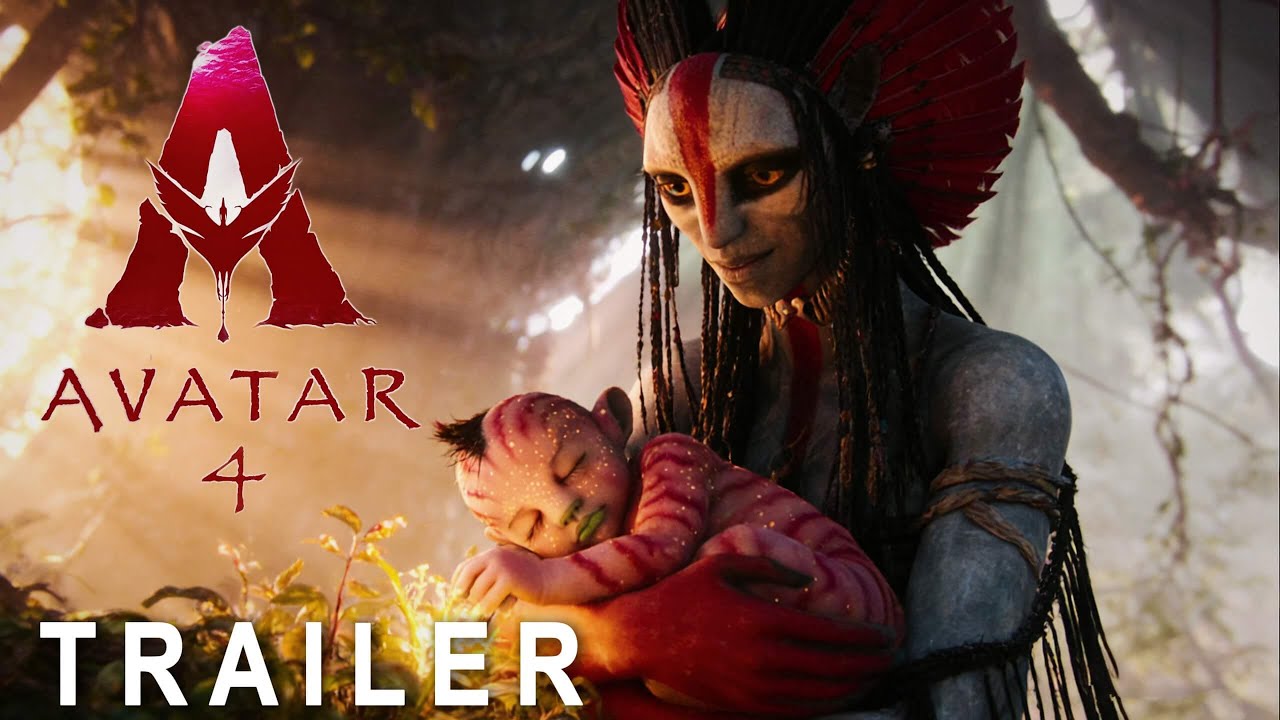
James Cameron’s Avatar 4: The Tulkun Rider is a cinematic feast that takes viewers deeper into the world of Pandora, offering a visual and emotional experience unlike any other. With over a decade of filmmaking prowess behind him, Cameron crafts a film that is both breathtaking and narratively rich, pushing the boundaries of what a science fiction epic can achieve. The oceanic world of Pandora, which has long captivated audiences, becomes the central battleground for a new chapter in the Na’vi’s struggle for survival, while also exploring themes of family, ecological preservation, and the unyielding pull of nature.

The Plot
The story picks up years after the events of Avatar 2: The Way of Water, where the once-peaceful oceans of Pandora are now in turmoil. The narrative follows Jake Sully (Sam Worthington) and Neytiri (Zoe Saldana), who must protect their family and the fragile balance of the planet’s ecosystem. The arrival of a human fleet with the ability to manipulate whale-song and dominate the seas threatens to unravel the delicate peace they fought so hard to achieve.

At the heart of the film is the unexpected bond between a young Na’vi child and a hunted tulkun calf, a bond that holds the key to the Na’vi’s future. As tensions rise and allegiances fracture, the legend of the Tulkun Rider emerges—a prophecy that promises to unite the ocean, forest, and sky. This quest for unity is not just one of survival, but a call to arms against the destructive forces that threaten to tear Pandora apart.

Visuals and World-Building
If there’s one thing Cameron has mastered over the years, it’s the art of visual storytelling. Avatar 4 is a marvel of modern cinema, with stunning cinematography that takes full advantage of the immersive world-building that made the first film a cultural touchstone. The underwater scenes are especially noteworthy, showcasing bioluminescent leviathans and vibrant coral reefs that almost feel like a living, breathing entity.
The sea becomes a character in itself, an unpredictable and dangerous force, yet one that is deeply beautiful. The spectacle is awe-inspiring, with towering tidal storms and massive warships crashing into sacred waters. Cameron continues to push the limits of CGI, creating creatures that feel as real as the actors who bring them to life. The addition of the tulkun—the massive, intelligent sea creatures—is a testament to the director’s ambition, blending nature’s raw power with a sense of wonder and mythic grandeur.
Performances
The ensemble cast is as strong as ever. Sam Worthington’s portrayal of Jake Sully remains grounded and authentic, capturing the inner turmoil of a man caught between the preservation of his family and the fate of an entire planet. Zoe Saldana’s Neytiri, on the other hand, continues to be a fierce protector and mother, with emotional depth that elevates her character beyond the action-driven narrative.
Kate Winslet, joining the cast as a new Na’vi leader, brings an air of dignity and strength to the story, further adding to the complexity of the world. While her character’s role is somewhat limited, her presence lends a sense of gravitas that fits seamlessly into the larger tapestry of the film.
Thematic Depth
At its core, Avatar 4: The Tulkun Rider is a film about the delicate balance between humans and nature, and the lengths one must go to preserve what is precious. The story doesn’t shy away from the environmental commentary, highlighting the catastrophic effects of human greed and the exploitation of Pandora’s natural resources. However, it also delves into the themes of family, legacy, and the intersection between destiny and choice.
The relationship between the Na’vi and the tulkun calf is an emotional anchor throughout the film, symbolizing the connection between all living things and the ripple effects that occur when that bond is disrupted. The film’s message is clear: the future of Pandora, and perhaps even humanity, lies in understanding and respecting nature, rather than conquering it.
Conclusion
Avatar 4: The Tulkun Rider is not just a sequel but a continuation of Cameron’s exploration into a world that feels both alien and achingly familiar. With stunning visuals, strong performances, and a story that tackles timely themes, it is a triumph in both spectacle and storytelling. As the Na’vi face new challenges, the film urges us to reflect on our own relationship with the planet and what we are willing to fight for.
In the end, Cameron has created a world worth revisiting, one that remains as captivating and relevant as ever. Whether you’re a fan of the first film or a newcomer to the series, Avatar 4 is an unforgettable journey that is as emotionally impactful as it is visually stunning.