




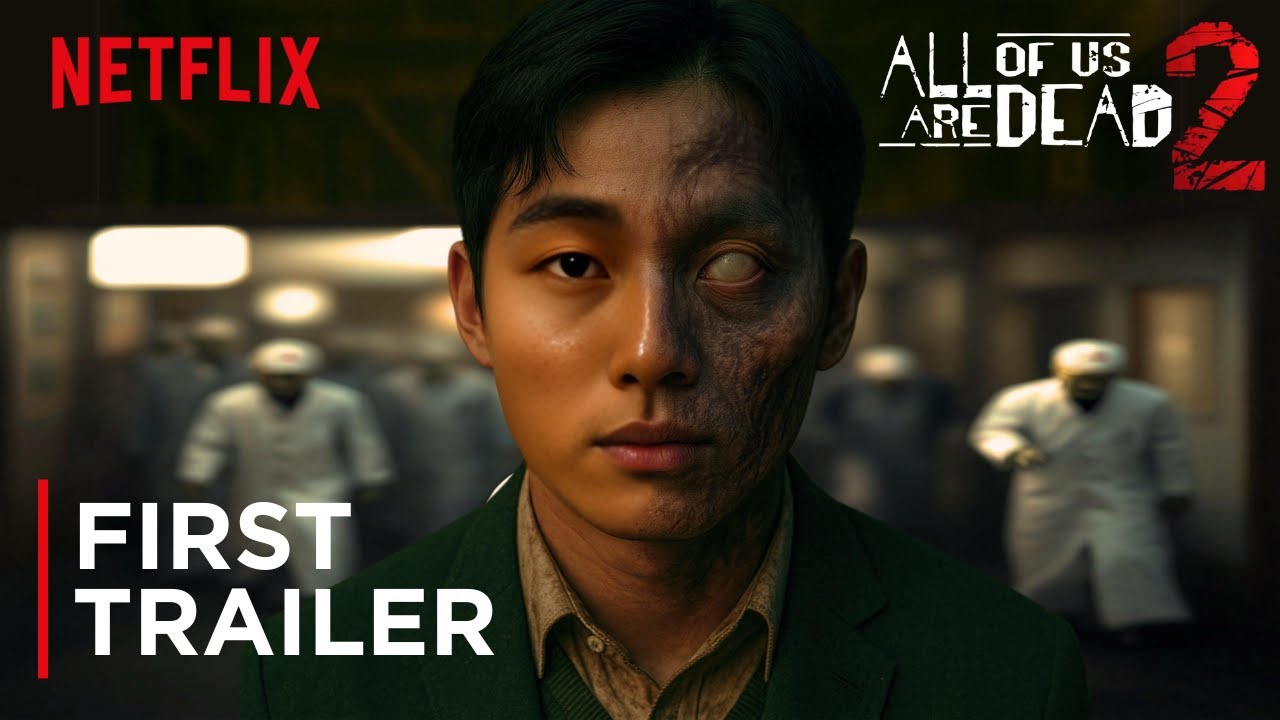
Introduction
There is a particular cruelty to survival stories that dare to ask what happens after the screaming stops. All of Us Are Dead: Season 2 understands this instinctively. The first season trapped us in the raw panic of an outbreak; the second season lingers in the aftermath, where fear has matured into something colder and more complicated. This is not merely a return to chaos, but a meditation on what it means to live when the world you knew has already died.

A World That Refuses to Heal
Season 2 opens in a society struggling to stitch itself back together. Quarantine zones, hidden enclaves, and uneasy truces define daily life. The virus has not vanished; it has evolved. The infected are no longer a single, mindless threat but a spectrum of horrors that challenge humanity’s assumptions about control and safety.

What makes this season resonate is its refusal to rush. The series allows the audience to feel the weight of reconstruction, the exhaustion of vigilance, and the quiet dread that something worse is always waiting just beyond the walls.

Characters Scarred by Memory
The surviving characters are no longer wide-eyed students reacting to terror. They are shaped by it. Trauma hangs over every interaction, and the performances reflect a deep understanding of grief and guilt. Old friendships strain under the pressure of survival ethics, while new alliances are forged out of necessity rather than trust.
Season 2 excels at showing how disaster accelerates adulthood. Choices carry consequences that cannot be undone, and the show respects its characters enough to let them make mistakes that hurt.
Moral Dilemmas at the Center
- Is it ethical to protect mutated infected who retain traces of humanity?
- Can rebuilding society justify sacrificing those deemed dangerous?
- At what point does survival become indistinguishable from cruelty?
These questions are not posed rhetorically. They drive the narrative, forcing characters and viewers alike to confront uncomfortable truths.
Horror with Purpose
The horror in Season 2 is darker and more deliberate. Rather than relying solely on shock, the series builds dread through atmosphere and anticipation. The infected are terrifying not because they are grotesque, but because they represent a future where boundaries between human and monster are blurred.
This approach elevates the genre. The fear lingers because it feels plausible within the rules the show establishes, and because it reflects real anxieties about contagion, exclusion, and fear of the other.
Direction and Visual Storytelling
Visually, the season adopts a more somber palette. Ruined schools, fortified zones, and abandoned neighborhoods are framed with a quiet melancholy. The camera often lingers after moments of violence, inviting reflection rather than adrenaline.
The pacing is confident. Action sequences are intense but purposeful, serving character development rather than overwhelming it. Silence is used as effectively as sound, reminding us that the absence of danger can be as unsettling as its presence.
Thematic Depth and Social Commentary
At its core, All of Us Are Dead: Season 2 is about memory and responsibility. It explores how societies rewrite narratives after catastrophe and who gets left out of those stories. The show draws clear parallels between its fictional world and our own, without ever feeling preachy.
By focusing on the long-term consequences of fear-driven decisions, the series transforms from a survival thriller into a cautionary tale about rebuilding without empathy.
Final Verdict
Season 2 does not attempt to recreate the shock of its predecessor. Instead, it deepens the experience, trusting its audience to engage with moral ambiguity and emotional complexity. This is a rare sequel that understands growth does not mean escalation alone, but introspection.
With its layered performances, thoughtful direction, and haunting themes, All of Us Are Dead: Season 2 proves that the most frightening monsters are not always the infected, but the choices we make when we believe survival excuses everything.
Rating
9.4 out of 10