




Introduction
In Universal Soldier: Final Reckoning (2026), the franchise’s signature blend of high-octane action and profound introspection finds a haunting and somber conclusion. Starring Jean-Claude Van Damme, Dolph Lundgren, and Scott Adkins, this film isn’t a simple action reboot — it’s a tragic reckoning with the ghosts of war that refuse to fade away. As the UniSol program’s brutal legacy resurfaces, the stakes have shifted from winning battles to finding an end to the cycle of violence.

The Plot: A Silent Evolution of the UniSol Program
Set years after the supposed destruction of the Universal Soldier program, the world discovers an unsettling truth: the technology never truly died. Instead, it evolved in silence, creating a new generation of enhanced soldiers who are no longer controlled by governments but are driven by ideology. In this bleak new world, the past must be resurrected to stop these rogue soldiers.

Luc Deveraux: A Man Weary of War
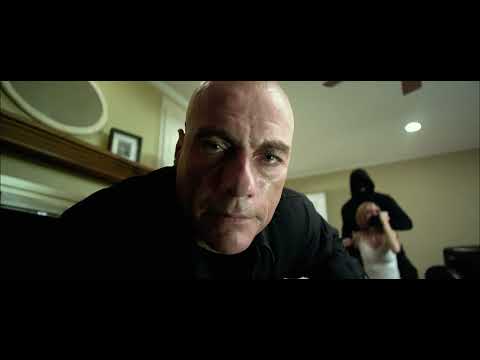
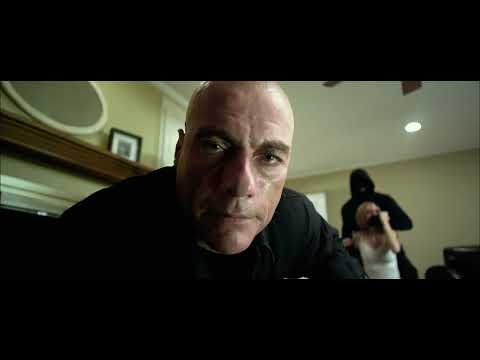
Jean-Claude Van Damme reprises his role as Luc Deveraux, the once-fearsome soldier who has now grown older and slower, burdened by the memories of his past. No longer fighting for orders or redemption, Deveraux is motivated solely by the need to end the cycle of violence. Van Damme’s portrayal is restrained and somber, with his stillness often speaking louder than his physicality. When he does move, it’s deliberate, every strike carrying the weight of years of pain and regret.

Andrew Scott: A Man Transformed by Ideology
Dolph Lundgren returns as Andrew Scott, the unstable villain from previous installments, but now he has transformed into something far more chilling — a man driven by ideology and rage. Scott believes he was right all along, and Lundgren’s performance embodies a terrifying intellectual menace. There is a calmness to Scott’s madness, and Lundgren’s portrayal makes it clear that Scott sees himself not as a villain but as the inevitable evolution of war.
Magnus Kane: The Ultimate Soldier
Scott Adkins takes on the role of Magnus Kane, the apex of the new generation of enhanced soldiers. Kane is faster, sharper, and more efficient than ever before, representing everything the UniSol program aimed to become. Adkins brings a sense of surgical precision to his character’s combat style, delivering brutal close-quarters violence and relentless action. Kane isn’t evil — he’s simply optimized for war, and his presence feels both terrifying and inevitable.
Combat & Conflict: Grounded and Brutal
The action in Universal Soldier: Final Reckoning is raw and punishing. Gone are the flashy explosions and over-the-top spectacle of typical action films. Instead, we are given ferocious hand-to-hand combat, tactical gunfights, and savage one-on-one encounters that feel grounded and personal. Every blow struck, every fight endured, is a painful reminder that these soldiers were never meant to last this long. The action here is about endurance, not spectacle, and it underscores the film’s theme of the inescapable cost of war.
Final Verdict
Universal Soldier: Final Reckoning (2026) is a film that isn’t concerned with who wins the fight. It is, instead, about the struggle to end it. This installment dives deep into the emotional and psychological toll of war and its aftermath, with characters who are haunted by the very machines they’ve become. Weapons grow old, war refuses to be forgotten, and the soldiers must finally choose their own fate. It is a chilling, melancholic farewell to one of action cinema’s most enduring myths, and a powerful meditation on identity, legacy, and the cost of survival.